
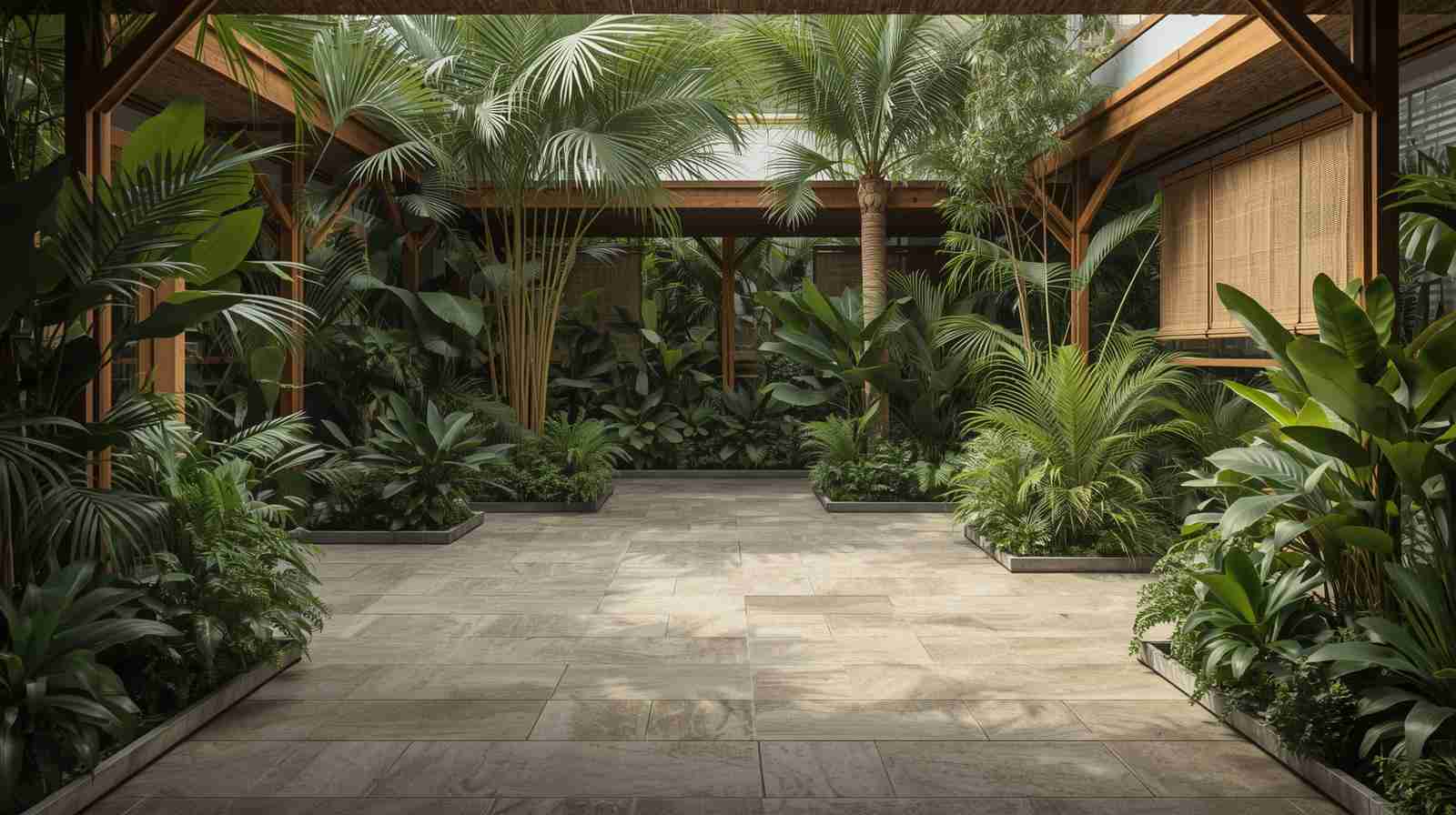
A well-planned garden can become one of the most enjoyable parts of a home. It can add natural beauty, create a relaxing atmosphere, and provide a practical space for growing flowers, herbs, fruits, or vegetables. Even a small outdoor area can be transformed with the right combination of plants, thoughtful design, and regular care.
Creating an inviting outdoor space does not mean filling every corner with plants. The best results usually come from understanding the available space and choosing features that match your lifestyle.
Decide What You Want From the Space
Before beginning any project, think about the purpose of your garden. Some people want a colorful place filled with flowers, while others prefer an area for growing food. Some may simply want a peaceful space where they can sit and enjoy fresh air.
Your goals will influence almost every decision that follows.
A useful garden plan might include:
- A relaxing seating area
- Flower beds for seasonal color
- Space for herbs and vegetables
- A pathway through planting areas
- Shade for warmer months
- Storage for gardening equipment
Knowing your priorities can prevent unnecessary purchases and make the entire project easier to manage.
Study the Available Space
Every garden has different conditions. The amount of sunlight, soil type, drainage, wind, and available water can affect plant growth.
Spend some time observing the area before planting. Notice which sections receive direct sunlight and which remain shaded. Also check whether rainwater drains properly or collects in certain places.
This information can guide plant selection. Sun-loving plants may perform well in bright areas, while shade-tolerant varieties are better suited to darker corners.
Understanding the environment before planting can reduce future problems and improve the health of the entire space.
Select Plants With Care
Choosing plants simply because they look attractive can lead to disappointment if they are not suitable for your growing conditions. Consider how large each plant will become, how much water it needs, and how much maintenance it requires.
A balanced garden can combine plants with different heights and textures. Smaller flowers can brighten borders, while shrubs can provide structure. Trees can create shade, and herbs can add both fragrance and practical value.
It is also worth considering seasonal changes. Selecting plants that bloom or produce attractive foliage at different times can keep the space interesting throughout the year.
Avoid planting too closely together. Plants need room for roots, branches, and healthy airflow as they mature.
Create a Comfortable Layout
The arrangement of a garden can affect how spacious and welcoming it feels. Instead of placing plants randomly, create clear areas with a natural flow between them.
A simple pathway can connect different sections and make maintenance easier. Curved paths can create a softer appearance, while straight paths may provide a more formal look.
Consider placing taller plants behind shorter ones so that every layer remains visible. Repeating certain shapes or plant varieties can also create consistency.
If the garden is small, use vertical space. Wall planters, hanging containers, trellises, and raised beds can provide additional growing areas without taking up much floor space.
Improve the Soil
Healthy soil is one of the most important foundations of productive plant growth. Before planting, examine whether the soil is compacted, sandy, heavy, or lacking organic material.
Adding suitable organic matter can improve soil structure and help retain moisture. Compost can also provide nutrients that support plant development.
Avoid disturbing the soil unnecessarily. A balanced soil environment supports beneficial organisms and helps plants establish stronger root systems.
If you are growing vegetables or herbs, preparing the soil properly can make a noticeable difference in the quality and quantity of your harvest.
Use Water Efficiently
Regular watering is essential, particularly when plants are young or during dry weather. However, excessive watering can create problems.
Water requirements vary according to plant type, season, temperature, and soil conditions. Check the moisture level before watering rather than following a rigid routine.
Applying a layer of mulch around plants can help reduce evaporation and keep the soil cooler. It can also reduce weed growth and protect the soil surface.
Where possible, group plants with similar water needs together. This makes watering more efficient and helps avoid giving some plants too much or too little moisture.
Keep Maintenance Manageable
A beautiful garden should also be practical to maintain. If every plant requires constant attention, the space may eventually become difficult to manage.
Choose plants that match the amount of time you can realistically spend outdoors. Regular light maintenance is often more effective than waiting until weeds, overgrowth, or damaged plants become major problems.
Basic maintenance includes:
- Removing weeds before they spread
- Pruning plants when necessary
- Clearing dead leaves and flowers
- Inspecting plants regularly
- Cleaning pathways
- Checking irrigation equipment
- Replacing unhealthy plants when needed
A few minutes of attention several times a week can keep the space looking organized.
Add Personal Touches
Decorative elements can give a garden its own character. Seating, planters, outdoor lighting, decorative stones, or a small table can make the area more comfortable.
Choose additions that complement the surroundings rather than overcrowding the space. A few carefully selected features can have a greater visual effect than many unrelated decorations.
If you enjoy spending evenings outdoors, comfortable seating and gentle lighting can turn the garden into an extension of your living area.
Build a Garden You Can Enjoy
The best garden is not necessarily the largest or most elaborate. It is the one that suits your needs and encourages you to spend time outdoors.
Start with a manageable project and improve it gradually. You can introduce new plants, adjust the layout, and add features as you learn what works best.
With suitable plants, healthy soil, efficient watering, and regular care, an ordinary outdoor area can become a welcoming place for relaxation and everyday enjoyment. A thoughtfully designed garden can provide beauty and practical value while creating a stronger connection with nature right outside your door.:::
