
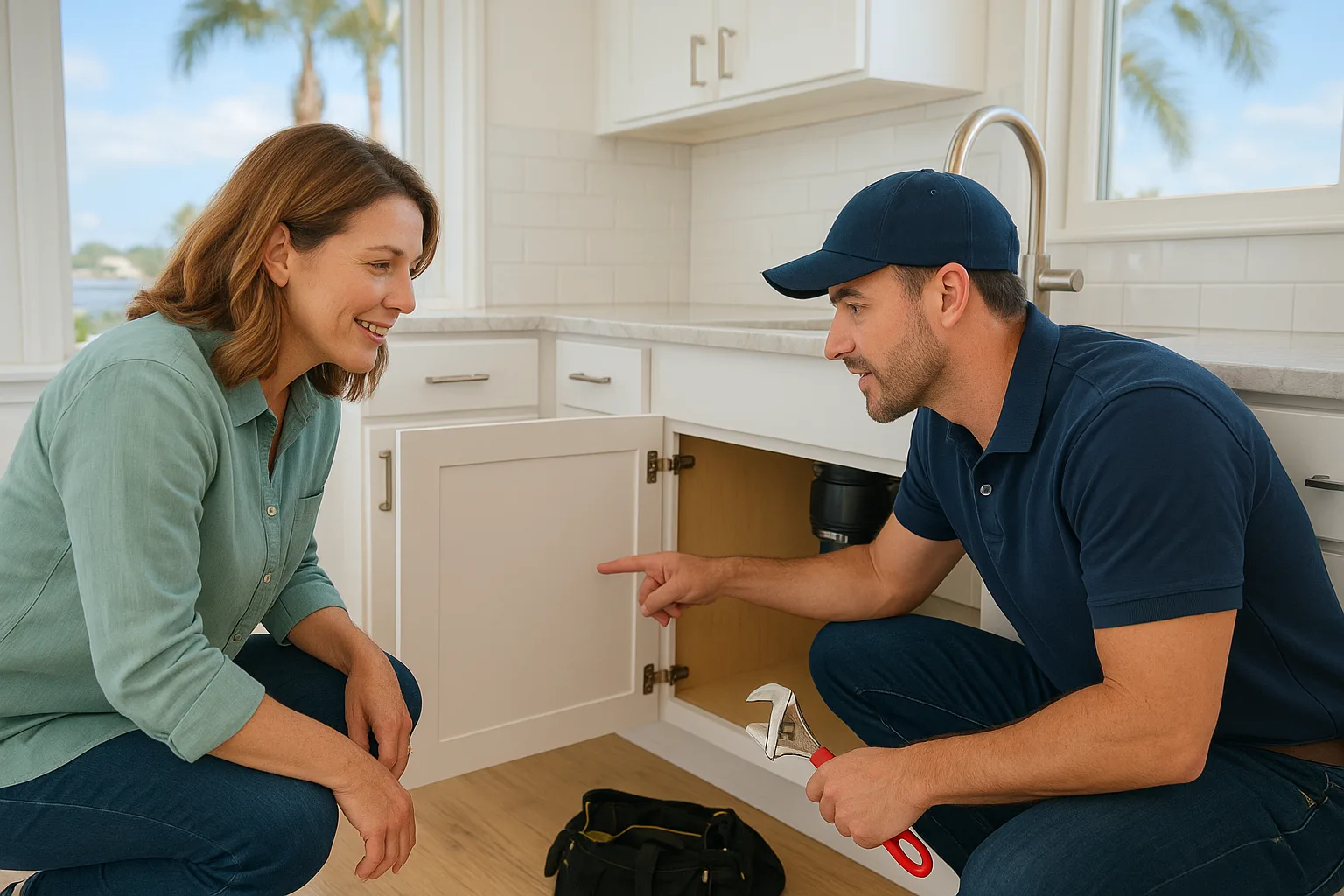
Plumbing is one of those parts of a home that often goes unnoticed until something stops working. Clean water, functioning drains, reliable showers, and properly operating toilets all depend on a well-maintained plumbing system. When problems occur, even a small leak or blockage can quickly disrupt daily routines.
Fortunately, many plumbing issues can be reduced through regular maintenance and careful use. Understanding how to look after pipes, fixtures, drains, and water appliances can help homeowners protect their property and avoid unnecessary repairs.
Why Plumbing Maintenance Matters
A plumbing system includes numerous pipes, valves, fixtures, and connections that work together every day. Continuous use naturally causes wear, while mineral deposits, pressure changes, and improper disposal of waste can create additional problems.
Routine maintenance helps identify small issues before they become major emergencies. A leaking pipe, for example, may initially seem harmless, but prolonged moisture can damage flooring, walls, cabinets, and other parts of a property.
Good maintenance also supports efficient water use. Fixing leaks and replacing damaged fixtures can reduce unnecessary consumption and keep household water costs under control.
Watch for Early Warning Signs
Many plumbing problems provide clues before they become severe. Paying attention to these signs can help homeowners respond sooner.
Look out for:
- Dripping or constantly running fixtures
- Slow-moving drains
- Unusual pipe noises
- Water stains on walls or ceilings
- Damp areas beneath sinks
- Sudden changes in water pressure
- Unpleasant drain odors
- Unexpected increases in water usage
A single minor issue may not always indicate a serious problem, but repeated signs deserve attention.
Ignoring warning signs can allow a small repair to develop into a much more expensive situation.
Keep Drains Clear
Drain blockages are common because household sinks and showers regularly collect debris. Kitchen drains can be affected by grease, food particles, and oils, while bathroom drains often collect hair and soap residue.
Avoid pouring cooking grease or oil directly into a sink. Allowing these materials to cool and disposing of them properly can help protect the drainage system.
In bathrooms, regularly clean drain covers and remove visible hair or debris. If water begins draining more slowly than usual, address the problem early.
Using drains properly is one of the simplest ways to reduce plumbing maintenance problems.
Take Care of Faucets and Fixtures
Faucets, showerheads, toilets, and other fixtures receive constant use. Over time, seals, washers, valves, and other components may become worn.
A dripping faucet should not be ignored. Even a small leak can waste water over an extended period.
A toilet that continues running after flushing may also indicate a faulty internal component. In many cases, replacing a worn part can restore normal operation without requiring a complete fixture replacement.
Keep fixtures clean and inspect connections periodically for signs of moisture or corrosion.
Protect the Water Supply
The water supply system should deliver consistent flow to different areas of the home. Sudden changes in pressure can sometimes indicate a developing problem.
If several faucets experience reduced pressure at the same time, investigate the issue rather than assuming that an individual fixture is responsible.
Mineral buildup can also affect pipes and fixtures, particularly in areas with hard water. Regular inspection can help identify buildup or corrosion before it causes serious restrictions.
Knowing the location of the main shut-off valve is equally important. In an emergency, quickly stopping the water supply can help limit property damage.
Give Attention to Hidden Leaks
Some of the most damaging plumbing problems occur where leaks are difficult to see. Pipes inside walls, beneath floors, or in other concealed areas can leak for a long time before visible damage appears.
Watch for unexplained dampness, musty smells, peeling paint, stained ceilings, or changes in flooring. An unexplained increase in water consumption can also be an important clue.
If you suspect a hidden leak, professional inspection may be necessary. Finding the source early can help prevent more extensive structural damage.
Maintain Your Water Heater
Hot water is an important part of everyday life, making the water heater another essential component of the home plumbing system.
Pay attention to changes in water temperature, unusual sounds, visible moisture, or a reduction in hot-water availability.
The area around the appliance should remain clear so that it can be inspected and serviced when necessary. Regular maintenance based on the manufacturer’s recommendations can help maintain efficiency and extend the equipment’s useful life.
A damaged or leaking water heater should be evaluated promptly.
Prepare for Plumbing Emergencies
A plumbing emergency can happen without warning. A burst pipe, overflowing toilet, or major leak can release a large amount of water in a short period.
Every household should know where the main water shut-off valve is located. Family members should also understand how to use it if necessary.
During a major leak, shutting off the water supply can be an important first step. Once the immediate flow has been controlled, professional assistance may be needed to identify and repair the underlying problem.
Preparation can significantly reduce stress during an unexpected emergency.
Know When to Call a Professional
Simple tasks such as cleaning fixtures or replacing accessible components may be manageable for many homeowners. More complex work, however, may require professional knowledge.
Consider professional plumbing assistance when dealing with:
- Repeated drain blockages
- Burst or severely damaged pipes
- Hidden leaks
- Persistent low water pressure
- Major sewer issues
- Significant water heater problems
- Recurring plumbing failures
Professional service can help identify the actual cause instead of repeatedly treating the visible symptom.
Build a Regular Maintenance Routine
Plumbing maintenance does not need to be complicated. A few consistent habits can protect the system and reduce the likelihood of unexpected failures.
Inspect visible pipes, faucets, toilets, and connections regularly. Keep drains free of unsuitable materials and respond quickly to leaks or unusual sounds. Monitor water usage and investigate unexplained changes.
A reliable plumbing system supports nearly every part of daily household life. By using fixtures responsibly, maintaining important components, and seeking professional help when necessary, homeowners can reduce water waste, protect their property, and enjoy dependable service for years to come.:::
