
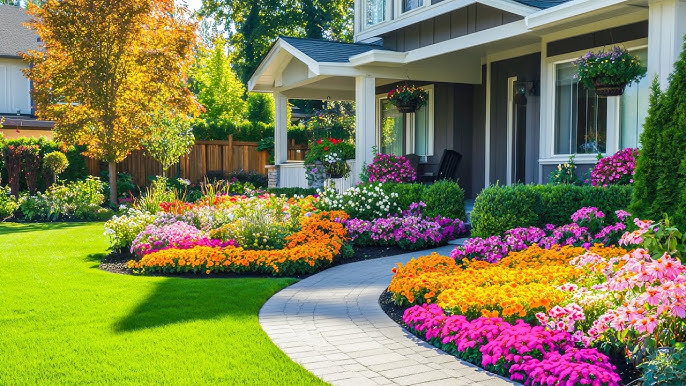
A garden can transform an ordinary outdoor area into a welcoming and peaceful space. It can provide colorful flowers, fresh herbs, shade, privacy, and a place to relax after a busy day. Creating a beautiful garden does not always require a large yard or a significant budget. With thoughtful planning and regular care, even a modest space can become attractive and useful.
Whether you are starting from an empty patch of soil or improving an established outdoor area, understanding the basics can help you create a space that remains enjoyable throughout the year.
Begin With a Clear Plan
Good planning is the foundation of a successful garden. Before purchasing plants or tools, examine the available space and think about how you want to use it.
Consider whether you want an area for flowers, vegetables, herbs, entertaining, relaxation, or a combination of different purposes. The amount of sunlight, available water, soil condition, and local climate should also influence your decisions.
Make a simple sketch of the area and identify existing trees, paths, walls, fences, and other permanent features. This can help you decide where different plants and garden elements should go.
Understand Your Growing Conditions
Every outdoor space has its own growing conditions. Some areas receive strong sunlight for most of the day, while others remain shaded. Understanding these differences can help you choose plants that are more likely to thrive.
Observe your space throughout the day and note which areas receive direct sunlight. Also consider drainage. Water that remains around plant roots for long periods can cause problems for many species.
The soil should also be evaluated. Healthy soil provides plants with nutrients and allows roots to develop properly. If the soil is compacted or lacks organic matter, adding suitable compost or other organic material can improve its structure.
Choose Plants Carefully
Plant selection should be based on more than appearance. Consider the mature size, maintenance requirements, water needs, and growing conditions of every plant before adding it to your garden.
A balanced selection can include different types of plants, such as:
- Flowering plants for color
- Shrubs for structure and privacy
- Herbs for practical use
- Vegetables for fresh produce
- Ground covers for open areas
- Trees for shade and visual interest
Avoid overcrowding the space. Young plants may look small when purchased, but they can grow significantly over time. Giving each plant enough room can reduce competition and make maintenance easier.
Create an Attractive Layout
A well-designed garden should feel organized without appearing overly rigid. Use different heights, textures, and shapes to create visual interest.
Tall plants can be positioned toward the back of a planting area, while shorter varieties can be placed near paths or borders. Repeating certain plant types or colors can create a sense of connection throughout the space.
Paths can also improve both appearance and functionality. A simple walkway makes it easier to reach plants for watering, pruning, and harvesting while creating a natural flow through the area.
If space is limited, containers, raised beds, and vertical planting systems can help make better use of available room.
Water Wisely
Water is essential for healthy plant growth, but more is not always better. Overwatering can damage roots and encourage certain plant problems.
Watering requirements depend on plant type, weather, soil, and season. Newly planted vegetation may require more frequent attention while it becomes established.
Watering the soil near the base of plants is often more effective than repeatedly wetting the leaves. Applying mulch around plants can also help retain moisture and reduce evaporation.
A consistent watering routine is generally more useful than occasional heavy watering.
Maintain the Space Regularly
A garden requires ongoing care, but regular small tasks are easier than allowing problems to build up.
Routine maintenance can include:
- Removing weeds
- Pruning overgrown branches
- Clearing fallen leaves
- Checking plants for pests
- Adding compost when appropriate
- Refreshing mulch
- Removing damaged flowers and stems
Spend a little time observing plants each week. Early signs of stress, disease, or pest activity are often easier to address before they become serious.
Keeping tools clean and properly stored can also make routine maintenance quicker and more efficient.
Add Comfortable Features
A garden can be more than a collection of plants. Adding practical features can turn it into a place where people want to spend time.
Consider including a small seating area, comfortable chairs, decorative containers, stepping stones, or outdoor lighting. A shaded corner can provide a pleasant location for reading, conversation, or quiet relaxation.
Bird-friendly plants and shallow water features can also encourage local wildlife to visit. These additions can bring movement and natural interest to the outdoor environment.
Make Sustainability Part of the Design
A thoughtful garden can support the environment while reducing maintenance demands. Choose plants that are suitable for the local climate and avoid using more water than necessary.
Composting suitable household and garden waste can provide valuable organic material for the soil. Collecting rainwater, when practical and permitted, can also reduce reliance on treated water for outdoor use.
Using natural approaches to soil improvement and pest management can help create a healthier growing environment.
Enjoy the Results
Creating a garden is a process rather than a one-time project. Plants change with the seasons, and the space will gradually develop as trees, shrubs, flowers, and other vegetation mature.
Do not worry if everything is not perfect immediately. Experiment with different plants, observe what performs well, and adjust your approach over time.
A successful garden is ultimately one that fits your space, lifestyle, and ability to maintain it. With careful planning, suitable plants, responsible watering, and regular attention, an outdoor area can become a beautiful and useful part of everyday life.:::
