
Unwanted pests can quickly turn a comfortable home into an unpleasant place to live. Insects and rodents may damage property, contaminate food, create unpleasant odors, and cause ongoing frustration. Taking a proactive approach to pest management can help protect your home while reducing the chances of a serious infestation.
Effective pest control is not simply about removing pests after they appear. It also involves understanding why they enter a property, eliminating conditions that attract them, and maintaining a clean and well-protected environment.
Why Pest Prevention Matters
Pests often enter homes in search of food, water, warmth, and shelter. Small openings around windows, doors, pipes, and walls can provide easy access. Once inside, certain pests can reproduce quickly and become difficult to manage.
Common household pests include:
- Ants
- Cockroaches
- Flies
- Mosquitoes
- Termites
- Bed bugs
- Mice and rats
- Spiders
Each type of pest behaves differently, so the most effective solution depends on the species and the source of the problem.
Early action is generally easier than dealing with a large infestation. Regular inspections and good household habits can therefore play an important role in prevention.
Keep Food Properly Stored
Food is one of the strongest attractions for household pests. Even small crumbs or spills can provide enough food for insects to remain active.
Keep dry foods in sealed containers and clean kitchen surfaces regularly. Avoid leaving uncovered food on counters, especially overnight. Fruits and vegetables should also be stored appropriately and checked regularly for spoilage.
Garbage should be placed in containers with secure lids and removed regularly. Cleaning around trash storage areas can further reduce odors and food sources that attract pests.
Eliminate Standing Water
Many pests need moisture to survive. Leaking pipes, damp areas, clogged drains, and standing water can create favorable conditions.
Check kitchens, bathrooms, basements, balconies, and outdoor areas for unnecessary moisture. Repair leaking faucets and pipes promptly. Keep sinks and surrounding surfaces dry when possible.
Outside the home, empty containers that collect rainwater and maintain drainage areas properly. Reducing stagnant water can help discourage insects from breeding near the property.
Seal Possible Entry Points
Even a well-maintained home can experience pest problems if there are easy ways for pests to enter.
Inspect doors, windows, vents, pipes, walls, and foundations for gaps or cracks. Seal suitable openings and make sure doors and windows close properly.
Pay particular attention to areas where utility lines enter the building. These spaces can sometimes create small pathways that pests use to move indoors.
Regular inspection is especially useful after renovations, storms, or other events that may create new openings.
Maintain Outdoor Areas
The condition of the area surrounding a home can influence indoor pest activity. Overgrown vegetation, piles of leaves, standing water, and accumulated waste can provide shelter for insects and rodents.
Keep grass and plants maintained and avoid allowing branches to remain in direct contact with the building. Store firewood and other materials away from exterior walls where practical.
Clean outdoor areas regularly and make sure rubbish is properly contained. A tidy environment gives pests fewer places to hide and reproduce.
Recognize Early Warning Signs
Knowing what to look for can help identify pest activity before it becomes extensive. Different pests leave different signs, but some common indicators include droppings, damaged food packaging, unusual odors, insect remains, nests, holes, or unexplained property damage.
You may also notice pests becoming more visible at unusual times. Repeated sightings can indicate that there is a larger population nearby.
Do not ignore minor signs simply because the problem appears small. Early investigation can help identify the source and prevent the situation from becoming more difficult.
Choose Treatment Carefully
When pests are discovered, the appropriate treatment depends on the type of pest, location, and extent of the infestation. Some minor problems can be addressed through cleaning, sealing entry points, removing food sources, and using suitable household products.
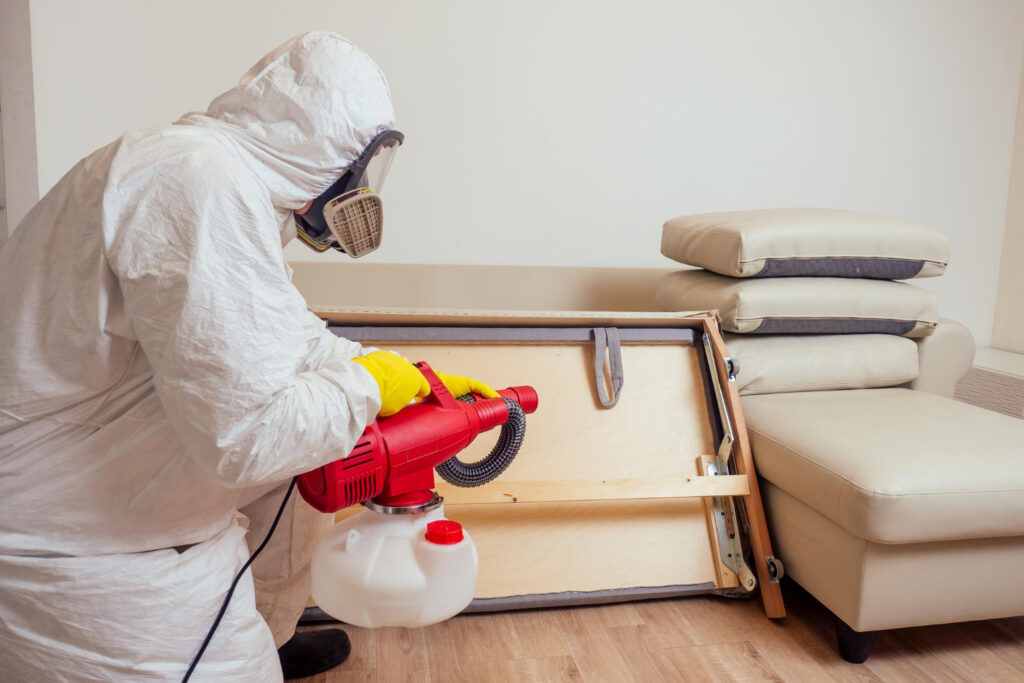
More serious infestations may require professional assistance. A trained pest management professional can identify the species, locate potential nesting areas, and recommend an appropriate treatment strategy.
If chemical products are used, always follow the product instructions carefully. Keep treatments away from children, pets, food, and areas where accidental exposure could occur.
Using more product than recommended does not necessarily provide better results and can create unnecessary risks.
Consider Long-Term Prevention
Successful pest management should focus on preventing the problem from returning. After treatment, continue addressing the conditions that originally attracted the pests.
A simple prevention routine can include:
- Cleaning food preparation areas regularly
- Keeping garbage containers closed
- Repairing leaks promptly
- Inspecting walls and entry points
- Maintaining outdoor vegetation
- Storing food securely
- Checking rarely used areas periodically
These habits can reduce the likelihood of future infestations and help maintain a cleaner home.
When Professional Help Makes Sense
Some pest problems are difficult to identify or manage without specialized knowledge. Termites, rodents, bed bugs, and extensive insect infestations can require more comprehensive solutions.
Professional assistance may be appropriate when pests continue returning despite basic prevention efforts, when damage is increasing, or when the source of the infestation cannot be identified.
A professional approach can focus on both immediate treatment and long-term prevention rather than simply addressing visible pests.
Conclusion
Effective pest control begins with prevention, cleanliness, and regular attention. Keeping food sealed, eliminating unnecessary moisture, maintaining outdoor spaces, and closing potential entry points can make a home less attractive to unwanted pests.
When an infestation does occur, identifying the problem early and choosing an appropriate response can prevent further damage and inconvenience. With consistent household practices and professional assistance when necessary, homeowners can maintain a cleaner, more comfortable, and better-protected living environment.:::
