
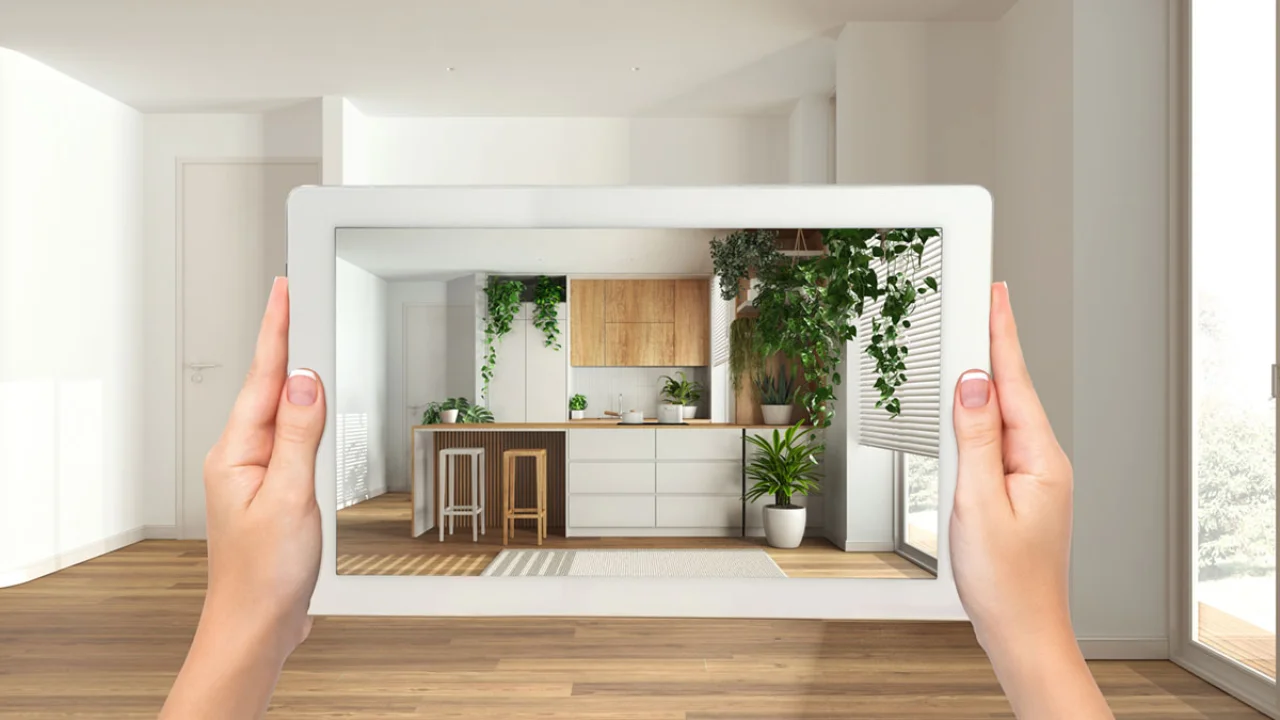
A home renovation can be an exciting opportunity to improve comfort, functionality, and appearance. Over time, rooms may become outdated, finishes can show signs of wear, and household needs may change. Renovating provides a chance to address these issues while creating a space that better reflects the way you live.
A successful project does not necessarily require a complete transformation. Even carefully selected improvements can make a significant difference when they are planned around practical needs and long-term goals.
Identify What Needs to Change
Every renovation should begin with a clear understanding of the property’s current condition. Walk through each room and identify problems that affect safety, comfort, storage, appearance, or daily convenience.
Separate urgent repairs from optional improvements. Damaged wiring, leaking pipes, roof problems, or structural concerns should generally receive attention before decorative changes.
Creating a priority list can help keep the project focused and prevent unnecessary spending.
Consider areas such as:
- Kitchen and bathroom condition
- Flooring and wall surfaces
- Lighting
- Storage
- Doors and windows
- Plumbing and electrical systems
- Outdoor spaces
- Heating and cooling efficiency
Once priorities are clear, it becomes easier to determine which improvements will provide the greatest benefit.
Set a Practical Budget
A renovation budget should reflect both your goals and the actual condition of the property. Costs may include materials, labor, permits where applicable, equipment, transportation, and waste removal.
It is wise to reserve part of the budget for unexpected issues. Opening walls or removing old finishes can sometimes reveal problems that were not visible during the initial inspection.
Avoid choosing the cheapest option for every component. Low-cost materials may require more frequent repairs or replacement, while quality products can provide better long-term value.
A sensible budget focuses on durability and usefulness rather than simply creating the lowest initial cost.
Improve the Kitchen for Everyday Use
The kitchen often plays a central role in household life. Renovating this space can improve both appearance and efficiency.
Think carefully about the placement of work surfaces, appliances, cabinets, and storage. A practical layout can make cooking, cleaning, and meal preparation easier.
You do not always need to replace everything. Existing cabinets may be refreshed with new hardware or finishes, while improved lighting and additional storage can make the room feel significantly different.
Choose surfaces that are easy to clean and capable of handling regular use.
Create a More Comfortable Bathroom
A bathroom renovation can improve convenience while giving the home a cleaner, more modern appearance.
Start by checking the condition of plumbing, ventilation, flooring, and fixtures. If there are signs of moisture damage or leaks, address those problems before focusing on decorative details.
Better storage can help keep toiletries organized, while efficient fixtures can reduce unnecessary water consumption.
Good ventilation is particularly important. Removing excess moisture can help maintain healthier surfaces and reduce the risk of damage caused by persistent dampness.
Rethink Unused Areas
Renovation can reveal opportunities to use existing space more effectively. A neglected corner, oversized hallway, or underused room may have valuable potential.
Depending on your lifestyle, unused areas can become:
- A home office
- A reading space
- A study area
- Additional storage
- A hobby room
- A compact guest area
Built-in storage can also make rooms feel more organized without reducing too much usable floor space.
Before changing walls or room layouts, determine whether the proposed work affects the structure of the property.
Improve Natural and Artificial Light
Lighting can dramatically influence the appearance of a renovated space. Dark rooms may feel smaller, while balanced lighting can make interiors more welcoming.
Take advantage of natural light wherever possible. Keep windows unobstructed and use suitable curtains or blinds that allow daylight into the room.
Artificial lighting should serve different purposes. General lighting can illuminate the entire room, while task lighting can support activities such as cooking, reading, or working.
Small lighting improvements can sometimes create a larger visual impact than expensive decorative changes.
Select Finishes That Last
Renovation is a long-term investment, so materials should be selected with everyday use in mind.
Flooring, countertops, paint, doors, fixtures, and other finishes should match the demands of their locations. High-traffic areas require materials that can handle regular wear, while bathrooms and kitchens need surfaces that tolerate moisture.
Before purchasing a product, consider its:
- Durability
- Maintenance requirements
- Cleaning needs
- Resistance to moisture
- Expected lifespan
- Overall suitability for the room
A practical finish can remain attractive for years with relatively little maintenance.
Focus on Energy Efficiency
Renovation can also provide an opportunity to reduce energy consumption. Improving insulation, sealing drafts, upgrading lighting, and choosing efficient appliances may make the home more comfortable while lowering ongoing costs.
Windows and doors should be checked for unwanted air movement. Older lighting can also be replaced with more efficient alternatives.
These improvements may not always create dramatic visual changes, but they can provide meaningful benefits over time.
Keep the Design Consistent
A renovated home feels more polished when different rooms work together visually. This does not mean every room needs to look identical.
Instead, choose complementary materials, finishes, textures, or design elements. A consistent approach creates a natural connection between spaces.
Avoid following trends too closely if you want the renovation to remain appealing for many years. Timeless choices can make future updates easier and reduce the need for frequent redesigns.
Manage the Project Carefully
Good organization can make a renovation much less stressful. Establish a realistic sequence of work and avoid making major changes without considering their effect on the budget and schedule.
Communicate clearly with contractors and workers about expectations, materials, and responsibilities. Keep track of expenses and decisions throughout the project.
Most importantly, complete essential repairs before investing heavily in decorative improvements.
Conclusion
A thoughtful home renovation can improve much more than appearance. It can make rooms easier to use, increase comfort, improve efficiency, and solve problems that have developed over time.
The key is to plan carefully, prioritize essential work, choose durable materials, and keep future needs in mind. Whether the project involves one room or the entire property, a balanced renovation can give an older home a fresh beginning while creating a more practical and enjoyable place to live.:::
