
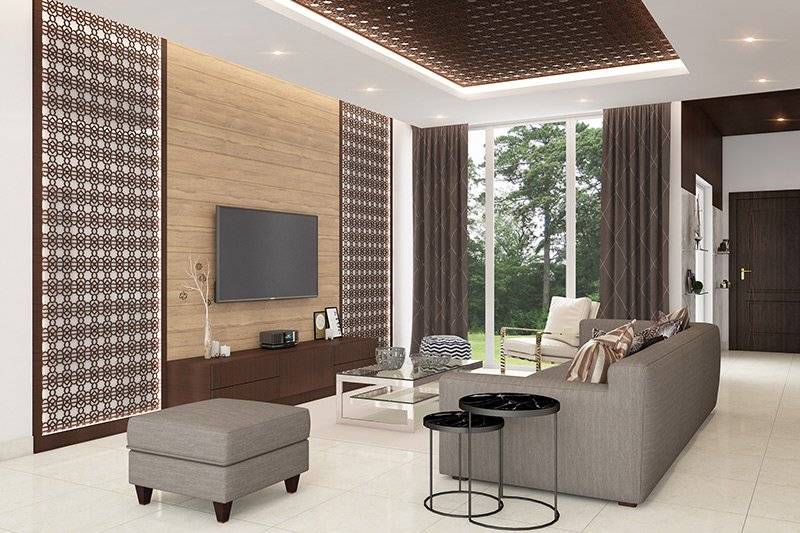
Renovating a home can completely change the way a property looks, feels, and functions. Whether you are updating a single room or improving the entire house, thoughtful renovation can make everyday living more comfortable while increasing the long-term value of the property.
A successful renovation is not simply about choosing attractive finishes. It requires careful planning, realistic budgeting, suitable materials, and attention to the structure and practical needs of the home. With the right approach, even an older property can become a modern and welcoming place to live.
Start With a Clear Renovation Plan
Before beginning any work, identify what you want to accomplish. Some homeowners may want to refresh outdated interiors, while others may need to improve functionality or address structural concerns.
Walk through the entire property and make a list of areas that need attention. Separate essential repairs from cosmetic improvements. This helps establish priorities and prevents money from being spent on features that are less important.
A renovation plan may include:
- Kitchen improvements
- Bathroom updates
- Flooring replacement
- Wall and ceiling repairs
- Lighting upgrades
- Storage improvements
- Exterior maintenance
- Energy-efficiency improvements
Having a clear plan makes it easier to organize the project and monitor progress.
Establish a Realistic Budget
A carefully prepared budget is one of the most important parts of any home renovation. Costs can increase quickly when materials, labor, transportation, and unexpected repairs are involved.
Estimate the cost of each major part of the project and leave some additional money available for unforeseen problems. Older homes may contain hidden issues involving plumbing, electrical systems, roofing, or structural components.
Do not choose materials based solely on their appearance. Consider durability, maintenance requirements, and long-term value.
A practical budget should balance what you want with what the property actually needs.
Improve the Kitchen
The kitchen is often one of the most frequently used areas of a home, making it a popular renovation priority. A well-planned kitchen should be attractive but also easy to use.
Consider the placement of cabinets, appliances, sinks, and work surfaces. Good organization can make cooking and cleaning more efficient without requiring a larger room.
Simple improvements can make a noticeable difference. Updated cabinet hardware, better lighting, durable countertops, improved storage, and fresh wall finishes can change the appearance of the space.
If the existing layout works well, there may be no need for a complete redesign. Sometimes targeted improvements provide better value than replacing everything.
Refresh the Bathroom
Bathrooms experience daily moisture and heavy use, so renovation can improve both appearance and functionality.
Inspect plumbing fixtures, ventilation, flooring, walls, and storage before deciding what to replace. Proper ventilation is particularly important because excessive moisture can contribute to unpleasant odors and surface damage.
Modern fixtures can improve water efficiency while creating a cleaner appearance. Simple changes such as new lighting, updated storage, fresh surfaces, or improved fittings can make an older bathroom feel significantly more comfortable.
Make Better Use of Space
Renovation provides an opportunity to reconsider how rooms are used. A large unused area might become a home office, reading corner, storage area, or multipurpose room.
Built-in shelves, cabinets, and other storage solutions can reduce clutter without taking up excessive floor space.
Before removing walls or changing the layout, determine whether the structure can safely support the proposed changes. Some walls and building components may serve important structural functions.
Functional design should always come before decoration.
Upgrade Lighting
Lighting can have a major effect on how a renovated home looks and feels. Dark rooms may appear smaller and less inviting, while carefully planned lighting can create a brighter and more comfortable atmosphere.
Use a combination of general, task, and accent lighting where appropriate. Make the most of natural light by keeping windows clean and avoiding unnecessary obstructions.
Energy-efficient lighting can also reduce electricity use while providing reliable illumination.
Choose Durable Materials
Renovation materials should match the demands of each space. Areas with heavy foot traffic require durable flooring, while kitchens and bathrooms need surfaces that can handle moisture and regular cleaning.
When selecting materials, consider:
- Expected lifespan
- Ease of maintenance
- Resistance to moisture
- Cleaning requirements
- Appearance over time
- Replacement availability
Choosing dependable materials may cost more initially but can reduce maintenance and replacement expenses later.
Do Not Ignore Essential Systems
Cosmetic improvements are exciting, but important home systems should receive attention first. Renovating beautiful rooms while ignoring serious plumbing, electrical, roofing, or structural problems can create expensive complications later.
Before major decorative work begins, inspect essential systems and address urgent issues.
This approach helps ensure that the renovation improves the property from the inside out rather than simply covering existing problems.
Work With Qualified Professionals
Some renovation tasks can be completed by homeowners, but major construction, electrical, plumbing, structural, or specialized work may require experienced professionals.
Choose workers based on relevant experience, reliability, and understanding of the project. Discuss the scope of work clearly before starting and make sure responsibilities are understood.
Good communication can prevent misunderstandings about materials, timelines, costs, and design changes.
Plan for the Future
A successful renovation should remain useful for years rather than following a short-lived trend. Choose designs that suit your lifestyle and can adapt as your needs change.
Consider flexible spaces, practical storage, durable finishes, and efficient systems. A timeless design can also make future updates easier.
Renovation is an opportunity to improve not only the appearance of a property but also the way it supports everyday life.
Conclusion
Renovating a home requires patience, organization, and careful decision-making. Start with a clear plan, establish a realistic budget, address essential repairs, and then focus on design improvements.
Whether you are updating one room or transforming the entire property, the best renovation combines comfort, functionality, durability, and personal style. With thoughtful preparation and quality workmanship, an older house can become a modern, efficient, and enjoyable home that meets your needs for many years.:::
