
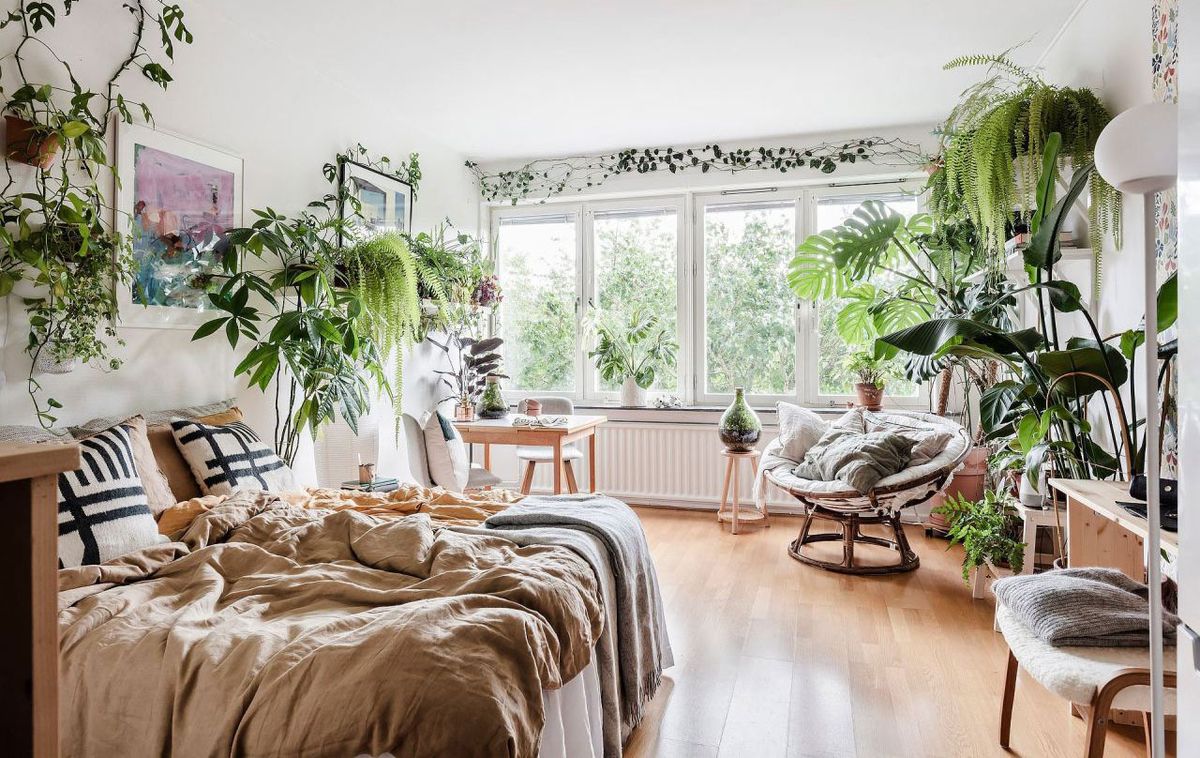
Finding a suitable apartment can be exciting, but it also requires thoughtful planning. A home is where you spend a significant part of your daily life, so the decision should be based on more than appearance or a convenient price. The right property should provide comfort, accessibility, safety, and enough space for your lifestyle.
Whether you are moving for work, starting an independent life, or simply looking for a better place to live, understanding what to look for can make the process easier.
Define Your Housing Needs
Before visiting properties, make a list of the features that matter most to you. Different people have different priorities, and identifying yours early can save time.
Consider the number of bedrooms, preferred floor, parking requirements, storage space, outdoor areas, and access to transportation. If you work from home, you may also need a quiet room or a dedicated workspace.
It is helpful to separate essential features from optional ones. For example, reliable transportation access may be essential, while a swimming pool or fitness center may simply be a bonus.
Set a Realistic Financial Limit
A suitable apartment should fit comfortably within your financial situation. Looking only at the advertised rent can give an incomplete picture of the actual cost.
Additional expenses may include utilities, maintenance fees, parking, internet, insurance, and deposits. Some buildings may also charge separate fees for certain services.
Before making a decision, calculate the likely monthly cost and compare it with your available budget. Avoid choosing a property that leaves little money for food, transportation, savings, emergencies, and other regular expenses.
A realistic financial plan makes apartment living much more comfortable over time.
Pay Attention to the Neighborhood
The surrounding area can be just as important as the apartment itself. A beautiful property may become inconvenient if essential services are too far away.
Look at the distance to grocery stores, workplaces, schools, healthcare facilities, public transportation, restaurants, and recreational areas. Think about how much time you will spend traveling each day.
It is also useful to explore the neighborhood personally. Walk around the area and observe traffic, cleanliness, noise, parking, lighting, and general activity.
A convenient neighborhood can save time and make everyday routines considerably easier.
Inspect the Apartment Thoroughly
When viewing an apartment, do not rush through the inspection. Look closely at the condition of the property.
Check walls and ceilings for stains, cracks, or signs of moisture. Test faucets, lights, electrical outlets, doors, windows, and major appliances if they are included.
The kitchen and bathroom deserve special attention because problems in these areas can be expensive to repair. Examine cabinets, plumbing fixtures, ventilation, and flooring.
You should also check natural lighting and airflow. A property may appear attractive in photographs but feel very different during an in-person visit.
Consider Storage and Furniture
One common mistake is choosing an apartment based only on the number of rooms. Storage can have a major effect on how comfortable a home feels.
Look at closets, cabinets, shelves, and available storage areas. Consider where you will keep clothing, kitchen equipment, cleaning supplies, luggage, and other belongings.
Before moving, think about your existing furniture as well. Measure larger items and compare those measurements with doorways and available room space. A stylish apartment is not practical if your essential furniture cannot fit comfortably.
Review Building Rules and Responsibilities
Every residential building may have different policies. Understanding these rules before moving in can prevent future disagreements.
Ask about pets, guests, noise, parking, renovations, shared facilities, and moving procedures. If you are renting, find out who is responsible for repairs and routine maintenance.
The rental or purchase agreement should clearly explain important financial and legal responsibilities. Read every section carefully and ask questions about anything you do not understand.
Written terms are especially important because they provide clarity for both residents and property owners.
Think About Safety and Privacy
Safety should never be treated as an afterthought. Examine the condition of entrances, locks, stairways, elevators, parking areas, and common spaces.
If the building has security features, understand how they work. Good lighting around entrances and parking areas can also improve comfort, particularly during evening hours.
Privacy is equally important. Consider the location of windows, the distance from neighboring buildings, and the amount of foot traffic outside the property.
These details may seem minor during a short viewing but can strongly influence your daily experience.
Compare Before Making a Choice
If possible, view several apartments before making a final decision. Comparing different properties can help you recognize which features genuinely matter to you.
Create a simple comparison based on:
- Overall monthly cost
- Location and transportation
- Size and layout
- Building condition
- Storage space
- Security
- Maintenance responsibilities
- Lease or ownership terms
Try to evaluate each property objectively. The most attractive option is not always the most practical one.
Make the Move With Confidence
Choosing an apartment does not have to be stressful. Careful preparation can turn the search into a more organized and manageable process.
Start by understanding your needs, establish a sensible budget, research suitable neighborhoods, and inspect each property carefully. Take time to review the agreement and consider both immediate requirements and future plans.
The best apartment is one that fits naturally into your everyday life. When comfort, cost, location, and practicality are properly balanced, you can create a living space that feels welcoming and works well for years to come.:::
