
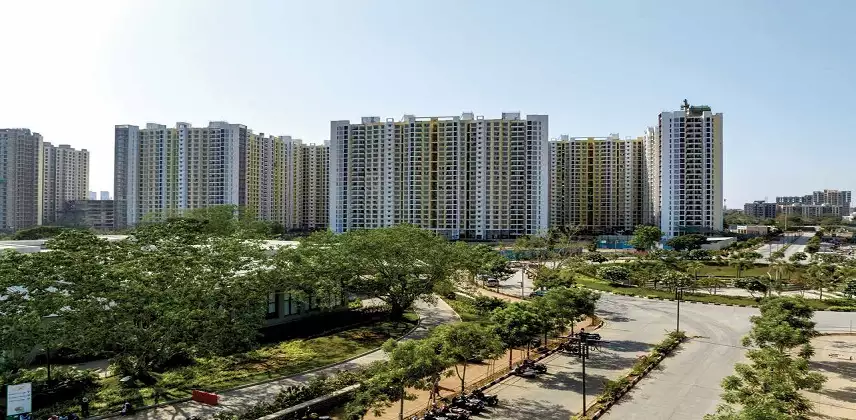
Buying a home is an exciting step towards achieving financial stability and creating a comfortable future for your family. However, choosing the right property requires careful planning, especially when deciding between a ready-to-move home and an under-construction apartment. Both options offer different benefits, and the right choice depends on your budget, lifestyle, financial goals, and expected possession timeline. Understanding these differences can help you make a confident decision.
When exploring property in dombivli, homebuyers can find residential options that suit different budgets and preferences. The area attracts families and working professionals because of its railway connectivity, developing infrastructure, and access to everyday facilities. Before making a purchase, it is important to compare ready-to-move and under-construction homes based on price, construction quality, possession, legal documentation, and long-term value.
1. Understand the Difference Between Both Options
A ready-to-move home is a completed property that is available for possession, subject to the required approvals and documentation. Buyers can inspect the actual apartment, check the building, and understand the surrounding neighbourhood before making their final decision.
An under-construction home is a property that is still being developed. Buyers may have to wait until construction is completed before moving in. These homes can offer more choices in terms of floor plans, apartment configurations, and payment schedules, depending on the project.
Understanding these basic differences helps you identify which option better matches your immediate requirements and future plans.
2. Compare the Total Cost of Purchase
Budget is one of the most important factors when buying a home. Ready-to-move properties provide a clearer picture of the overall purchase cost because buyers can assess the completed apartment and obtain a detailed cost breakdown before proceeding.
Under-construction homes may offer flexible construction-linked payment plans, allowing buyers to pay in stages according to the agreed schedule. However, the advertised price should not be the only consideration. Buyers must account for applicable taxes, stamp duty, registration fees, maintenance deposits, parking charges, and other legitimate costs.
For eligible residential properties, GST treatment differs depending on whether the property is under construction or qualifies as a completed property under applicable rules. Confirm the applicable tax treatment before finalising your budget.
Compare the total cost of both options and ensure that your monthly expenses remain manageable after accounting for home loan EMIs, household bills, and savings.
3. Check Construction Quality and Amenities
One major advantage of a ready-to-move home is that you can inspect the actual property before purchasing it. Check the walls, flooring, plumbing, electrical fittings, ventilation, natural light, water supply, lifts, and common areas. You can also assess whether the promised amenities are available and properly maintained.
With an under-construction property, your decision depends more on approved plans, construction progress, specifications, and the developer’s documented commitments. Visit the site to understand the current stage of development and review the proposed facilities.
In both cases, check the legal approvals and the applicable occupancy or completion documentation. For a completed building, verify the required Occupancy Certificate before taking possession.
4. Evaluate Possession Time and Financial Planning
Ready-to-move homes are generally suitable for buyers who need to relocate quickly or want to avoid waiting for construction to finish. Moving into a completed apartment can also reduce uncertainty about the possession timeline.
Under-construction homes may suit buyers who have time to plan their relocation and can manage payments during the construction period. However, construction delays can affect moving plans and increase financial pressure, particularly when rent and home loan payments overlap.
Before booking an under-construction apartment, check the declared possession date, project registration details, and available construction updates. Review the agreement for sale carefully and understand your rights under the applicable real estate regulations.
5. Verify Legal Documents and RERA Registration
Legal verification is essential regardless of the property type. Check the ownership documents, approved building plans, applicable permissions, and the property’s legal status. For an under-construction project that requires registration, verify its details through the Maharashtra Real Estate Regulatory Authority (MahaRERA).
For a ready-to-move home, confirm that the necessary completion and occupancy documents are available. If you are purchasing a resale apartment, also review the seller’s ownership records, outstanding dues, and society-related documentation where applicable.
Taking assistance from a qualified property lawyer can help you identify potential issues before making a financial commitment.
6. Consider Location and Long-Term Value
A home’s location can influence daily convenience, resale potential, and rental demand. Compare access to railway stations, roads, schools, hospitals, markets, and workplaces. Visit the neighbourhood at different times to understand traffic, noise, and transport availability.
Ready-to-move properties allow you to evaluate the existing surroundings, while under-construction projects may offer opportunities in developing residential areas. However, future infrastructure improvements and price appreciation are never guaranteed. Choose a location based on practical needs rather than assumptions about future growth.
Conclusion
Choosing between a ready-to-move and an under-construction home depends on your priorities, financial situation, and preferred possession timeline. When comparing property in dombivli, evaluate the total cost, construction quality, legal documentation, RERA compliance, connectivity, and long-term suitability. Ready-to-move homes offer immediate usability, while under-construction properties may provide flexible payment options and a wider selection of configurations. By comparing both options carefully and verifying all important documents, you can make a well-informed decision and move closer to owning a home that suits your family’s needs.
