
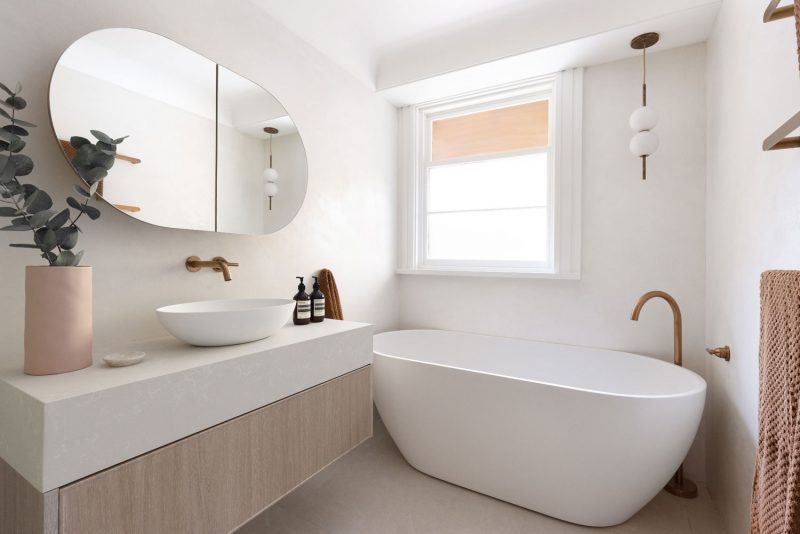
The bathroom has evolved from a purely utilitarian space into a personal sanctuary that reflects lifestyle, wellness, and design sophistication. In contemporary homes, the bathroom serves as both a functional zone and a place for rejuvenation. The transformation of bathroom design has been driven by innovation in materials, technology, and an increasing focus on sustainability. Whether you are renovating an existing bathroom or building one from scratch, understanding the modern design principles, functionality, and smart trends is essential to create a space that feels luxurious and efficient.
The Evolution of the Bathroom
Bathrooms have come a long way since their historical roots. In ancient civilizations like Rome and Greece, communal bathhouses were centers of social life and hygiene. During the 19th century, advancements in plumbing and sanitation revolutionized private bathrooms, making them accessible to homeowners. Today, the bathroom is a central component of interior design, combining wellness, aesthetics, and practicality.
Modern bathrooms blend style with innovation, offering everything from rainfall showers and underfloor heating to intelligent mirrors and eco-friendly fixtures. Homeowners now seek spaces that reflect individuality, relaxation, and sustainability.
Essential Elements of a Functional Bathroom
Designing a modern bathroom requires balancing aesthetics with usability. Every component, from layout to lighting, contributes to the comfort and convenience of daily routines.
Layout and Space Planning
Efficient space utilization forms the foundation of any well-designed bathroom. The arrangement of fixtures like the toilet, vanity, and shower should ensure ease of movement and maintain a sense of openness.
Key layout considerations:
- Zoning: Separate wet and dry areas to prevent water damage and enhance safety.
- Traffic flow: Avoid obstruction by placing fixtures strategically.
- Storage integration: Built-in cabinets and wall niches help minimize clutter.
In compact spaces, wall-mounted fixtures and corner sinks maximize room while maintaining functionality.
Lighting Design
Lighting is one of the most overlooked yet vital aspects of bathroom design. It impacts both functionality and ambiance.
Layered lighting design includes:
- Ambient lighting for general illumination.
- Task lighting around mirrors for grooming and makeup.
- Accent lighting to highlight design features like textured walls or artwork.
LED lighting systems with adjustable brightness and warm tones can transform the bathroom into a soothing retreat.
Ventilation and Moisture Control
Proper ventilation prevents mold growth, protects finishes, and maintains indoor air quality. Exhaust fans and humidity sensors are critical for moisture management.
Natural ventilation, through operable windows or skylights, also adds freshness and helps regulate humidity levels efficiently.
Materials that Define Modern Bathrooms
Selecting the right materials determines the bathroom’s durability, comfort, and aesthetic appeal. Modern design favors materials that balance beauty with performance.
Popular bathroom materials include:
- Porcelain and Ceramic Tiles: Durable, moisture-resistant, and available in a range of colors and textures.
- Natural Stone: Marble, granite, and travertine add timeless elegance but require proper sealing.
- Quartz and Solid Surface Countertops: Easy to clean and highly resistant to stains.
- Glass: Used in shower enclosures and partitions to create openness and reflect light.
- Engineered Wood: Offers warmth and texture while being more moisture-resistant than traditional wood.
These materials allow flexibility in design while maintaining practicality for everyday use.
The Rise of Smart Bathrooms
Technology has made its way into every corner of the home, and the bathroom is no exception. Smart bathrooms combine innovation, efficiency, and luxury, making daily routines more enjoyable and sustainable.
Smart Features That Enhance Functionality
- Intelligent Toilets: Equipped with motion sensors, heated seats, self-cleaning functions, and water-saving flush systems.
- Smart Mirrors: Integrate lighting control, defogging, and digital displays for weather or health tracking.
- Digital Showers: Allow precise temperature and water flow control through mobile apps or voice commands.
- Automatic Faucets: Reduce water waste and improve hygiene.
- Heated Flooring: Adds comfort, especially in colder climates, with energy-efficient temperature control.
Smart technology not only enhances comfort but also supports sustainable living by optimizing water and energy usage.
Designing for Wellness and Relaxation
The modern bathroom is designed to support both physical and mental well-being. Incorporating spa-inspired elements creates a calming environment that promotes relaxation and self-care.
Wellness-Focused Design Features
- Soaking Tubs: Freestanding bathtubs create a focal point and offer a deep soak for relaxation.
- Rainfall Showers: Mimic the sensation of natural rain, offering a therapeutic experience.
- Natural Elements: Incorporating wood, stone, and greenery fosters a connection with nature.
- Aromatherapy and Lighting Control: Scent diffusers and mood lighting enhance relaxation.
Bathrooms today are designed as wellness sanctuaries, offering an escape from the stress of daily life.
Sustainable Bathroom Design
Sustainability is a defining feature of modern bathroom architecture. With water scarcity and energy concerns growing globally, eco-conscious design plays a crucial role in bathroom innovation.
Eco-Friendly Design Strategies
- Low-Flow Fixtures: Toilets, faucets, and showers that minimize water consumption without compromising performance.
- Water Recycling Systems: Greywater systems that reuse water from sinks and showers for toilet flushing or irrigation.
- LED Lighting: Energy-efficient and long-lasting light sources that reduce carbon footprint.
- Recycled Materials: Using reclaimed wood, glass, or eco-friendly tiles enhances sustainability.
By adopting green design practices, homeowners not only reduce utility costs but also contribute to environmental preservation.
Color and Texture in Bathroom Design
Colors and textures set the tone of a bathroom. They influence mood and create visual harmony when balanced properly.
Trending Color Palettes
- Soft Neutrals: Shades of white, beige, and gray create timeless elegance.
- Bold Accents: Navy, forest green, and matte black add depth and modern sophistication.
- Earth Tones: Warm terracotta and sand hues evoke natural serenity.
Textures are equally important. Combining smooth surfaces with tactile materials, such as stone tiles or ribbed glass, adds dimension and interest.
Storage and Organization Solutions
Smart storage transforms the bathroom into a clutter-free space that feels calm and functional.
Innovative storage ideas:
- Recessed shelving in showers for toiletries.
- Floating vanities that free up floor space.
- Built-in niches and hidden drawers for everyday essentials.
- Vertical cabinets for compact bathrooms.
Custom cabinetry tailored to your lifestyle ensures every inch of space is utilized effectively.
Accessibility and Universal Design
A truly functional bathroom accommodates users of all ages and abilities. Universal design ensures safety and convenience without compromising aesthetics.
Features that improve accessibility:
- Walk-in showers with zero thresholds.
- Grab bars integrated into walls with decorative finishes.
- Adjustable-height sinks and counters.
- Non-slip flooring for enhanced safety.
Inclusive design principles make the bathroom more comfortable for everyone while maintaining style and luxury.
The Future of Bathroom Design
The bathroom of the future is an intersection of design innovation, sustainability, and digital intelligence. Architects and designers are reimagining how this space serves daily life through adaptive layouts, renewable materials, and advanced automation.
Emerging trends include AI-driven climate control, water purification systems, and even health-monitoring smart mirrors that track hydration and skin conditions. The bathroom is no longer just a functional room—it is becoming a wellness ecosystem tailored to personal needs.
FAQs about Bathrooms
1. What factors should I consider before remodeling a bathroom?
Focus on layout, ventilation, lighting, and plumbing. Plan storage and select durable, moisture-resistant materials that complement your style.
2. How can I make a small bathroom feel larger?
Use light colors, large mirrors, glass shower enclosures, and minimalistic fixtures to create a sense of openness.
3. Are smart bathroom devices worth the investment?
Yes. Smart toilets, mirrors, and showers improve hygiene, comfort, and water efficiency while adding long-term property value.
4. What materials work best for bathroom floors?
Porcelain and ceramic tiles are ideal due to their water resistance and durability. Natural stone adds luxury but requires regular sealing.
5. How do I create a spa-like atmosphere at home?
Incorporate soft lighting, soothing colors, natural materials, and aromatherapy elements to achieve a relaxing spa-inspired space.
6. What are the most important aspects of a sustainable bathroom?
Low-flow fixtures, energy-efficient lighting, recycled materials, and water-saving systems are key components of eco-friendly bathroom design.
7. How can I maintain a modern bathroom easily?
Choose easy-to-clean surfaces, use proper ventilation, and perform regular maintenance on plumbing and fixtures to prevent buildup and damage.
The bathroom of today is more than just a space for hygiene—it is a personal retreat that reflects lifestyle, technology, and environmental awareness. With thoughtful design, high-quality materials, and smart innovations, it can seamlessly blend functionality with elegance, creating a timeless environment that enhances daily living.
