
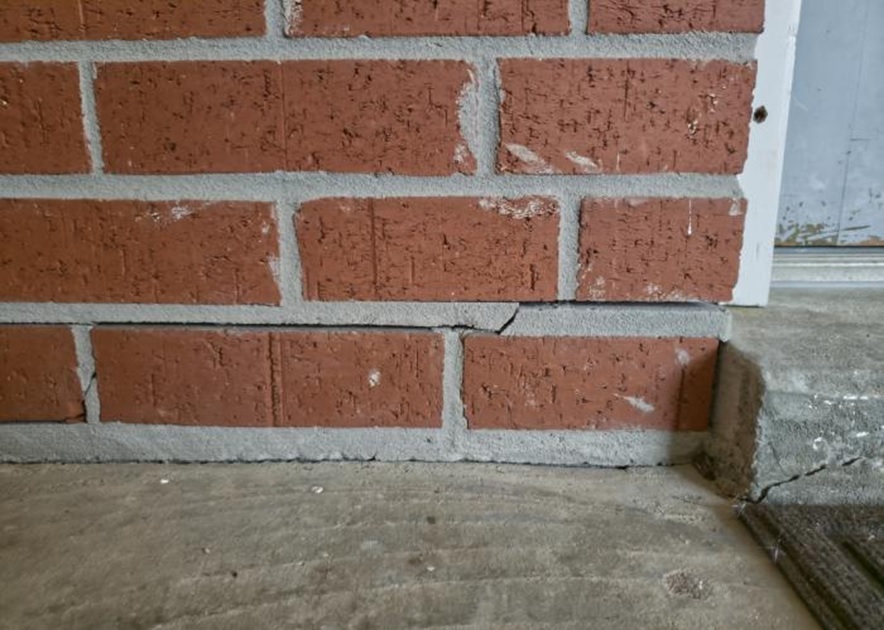
A home may appear sturdy and well-maintained while subtle changes develop beneath its floors and behind its walls. Uneven surfaces, unfamiliar cracks, or moisture around the basement can raise questions about the condition of the structure. These symptoms do not always indicate serious damage, but they should not be dismissed without understanding their possible causes. Scheduling a foundation inspection in Dearborn can help homeowners identify potential concerns, evaluate visible signs of movement, and make informed decisions about maintaining their property.
Homeowners who want to learn more about professional foundation evaluations can visit https://expertfoundationrepairdearborn.com/ for information about available services. An inspection provides an opportunity to examine conditions that may affect the foundation, including drainage, soil movement, and visible structural changes. Understanding what an evaluation involves can help homeowners prepare useful questions and recognize why certain findings deserve additional attention.
Your Home’s Foundation Has a Bigger Job Than You Think
A foundation supports the weight of a building and transfers that load to the ground beneath it.
It must accommodate the structural demands of walls, floors, roofing, and other building components while remaining supported by the surrounding soil.
When ground conditions change or structural elements deteriorate, signs of movement may begin appearing throughout the house.
However, foundations are not completely motionless. Small amounts of movement can occur because of material characteristics, environmental conditions, and normal settlement.
The important distinction is whether observed changes are consistent with expected behavior or suggest a problem requiring further evaluation.
Why Dearborn’s Seasonal Weather Matters
Michigan homes experience changing temperatures, snowfall, rainfall, and periods of freezing and thawing.
These conditions can influence soil moisture and the environment surrounding a foundation.
Certain soils may expand or contract as moisture levels change, while freezing conditions can contribute to frost-related movement where the necessary conditions exist.
Snowmelt and heavy rainfall can also increase the amount of water near basement walls.
The impact varies depending on the property’s soil composition, drainage, foundation design, and construction history.
An inspection can help determine whether seasonal conditions may be contributing to visible concerns rather than assuming weather is responsible for every crack.
Cracks Tell Different Stories
Cracks are among the most common reasons homeowners become concerned about their foundations.
However, their significance depends on several factors.
Small cracks may develop as concrete cures or as building materials experience minor movement. Other cracks may be associated with settlement, lateral pressure, or structural displacement.
Location, width, direction, and changes over time can provide useful information.
For example, a crack that continues widening or appears alongside noticeable wall movement deserves more attention than a stable cosmetic crack.
A professional evaluation considers these observations together instead of diagnosing a problem from appearance alone.
Doors and Windows Can Provide Early Clues
Doors and windows sometimes reveal changes in a building’s alignment.
A door that previously closed smoothly may begin rubbing against its frame. A window may become harder to open, or small gaps may appear around interior trim.
These symptoms can occur for reasons unrelated to the foundation, including humidity, hardware problems, and ordinary material movement.
However, when several openings begin showing similar problems, additional investigation may be appropriate.
Homeowners should observe whether the changes are temporary, seasonal, or progressively worsening.
This information can help during a foundation inspection in Dearborn, especially when combined with other visible symptoms.
Basement Moisture Deserves a Closer Look
Basements are particularly useful areas to examine because foundation walls and surrounding moisture conditions may be more visible.
Water stains, damp surfaces, peeling finishes, and recurring puddles can indicate moisture intrusion.
These problems do not necessarily mean that the foundation is structurally unstable.
Nevertheless, persistent moisture may contribute to deterioration of certain building materials and create conditions that require corrective action.
The U.S. Environmental Protection Agency emphasizes the importance of controlling indoor moisture to help prevent mold-related problems.
An inspection may help identify visible moisture concerns and determine whether additional drainage or waterproofing evaluation is appropriate.
Exterior Drainage Can Influence Foundation Conditions
The area immediately surrounding a house can affect how water moves toward or away from the foundation.
Clogged gutters, disconnected downspouts, and low areas in the yard may allow rainwater to accumulate near the structure.
Improper grading can create similar concerns.
Over time, recurring moisture exposure may contribute to basement water intrusion or affect certain soil conditions.
Homeowners can observe where water collects after storms and whether downspouts discharge close to the house.
These observations can provide useful context during an evaluation.
Correcting drainage problems may be an important part of protecting the property, although drainage improvements alone cannot resolve every structural issue.
Uneven Floors May Have Several Causes
A floor that slopes or feels uneven can raise concerns about settlement.
However, the cause is not always related to the foundation.
Floor framing, aging structural materials, construction tolerances, and other conditions may influence how a floor feels underfoot.
Some older homes have irregular surfaces that have remained relatively stable for years.
Other properties may develop noticeable changes over a shorter period.
An evaluation should consider whether the unevenness is longstanding or associated with new symptoms.
When significant structural movement is suspected, additional assessment by a qualified structural engineer may be necessary.
What Happens During a Professional Evaluation
The scope of an inspection depends on the property and the concerns being investigated.
A professional may examine accessible foundation walls, visible cracks, basement conditions, exterior grading, and signs of movement around doors or windows.
The homeowner may also be asked when symptoms first appeared and whether previous repairs were completed.
Photographs, measurements, and observations can help document existing conditions.
Some situations require more detailed testing or specialized structural evaluation.
Before scheduling, homeowners should ask what the inspection includes and whether a written report or recommendations will be provided.
Understanding the scope helps establish realistic expectations.
Not Every Finding Requires Immediate Repairs
One of the most useful outcomes of an inspection is understanding whether corrective work is necessary.
Some findings may involve cosmetic concerns or conditions that can be monitored.
Others may require maintenance, drainage improvements, or more detailed investigation.
Significant settlement, wall displacement, or structural deterioration may call for a repair plan.
The appropriate response depends on the identified cause and the severity of the condition.
Homeowners should avoid approving major repairs without understanding why the proposed work is recommended.
For those arranging a foundation inspection in Dearborn, asking for a clear explanation of the findings can help distinguish necessary work from optional improvements.
Questions Worth Asking After the Inspection
An inspection should leave homeowners with a clearer understanding of their property’s condition.
Useful questions include whether the observed symptoms suggest active movement, what factors may be contributing to the problem, and whether additional evaluation is recommended.
Homeowners can also ask which findings require prompt attention and which may be monitored.
If repairs are proposed, the professional should explain how the recommended method addresses the identified condition.
Written documentation can be helpful for comparing recommendations and tracking changes over time.
When structural conclusions are uncertain, an independent engineering opinion may provide additional clarity.
Keep Records of Changes Around Your Home
Photographs and written observations can be valuable when monitoring potential foundation concerns.
Homeowners can document visible cracks, record when doors begin sticking, and note whether basement moisture appears after heavy rainfall.
These records do not replace professional measurements or structural evaluation.
However, they can help establish a timeline of changes.
Maintaining previous inspection reports and repair documents is also useful, particularly when the property has undergone structural work in the past.
If symptoms worsen or new signs of movement appear, homeowners should arrange further evaluation rather than relying solely on earlier findings.
Make Foundation Awareness Part of Home Maintenance
Foundation concerns are easier to evaluate when homeowners remain familiar with their property’s normal condition.
Routine observations around the basement, exterior walls, gutters, and drainage areas can help identify changes before they become difficult to track.
Homeowners should also pay attention to recurring moisture problems and unusual movement around interior openings.
Regular maintenance cannot prevent every foundation issue, but it can help reduce avoidable moisture exposure and make developing problems easier to recognize.
A professional evaluation is especially useful when multiple symptoms appear or the cause of a change remains uncertain.
Protect Your Property With a Clearer Understanding
Understanding the condition of a home’s foundation begins with recognizing that cracks, moisture, and uneven surfaces can have different explanations. A careful evaluation helps separate ordinary building changes from concerns that may require maintenance, monitoring, or structural repairs. For homeowners seeking a foundation inspection in Dearborn, the goal should be to obtain reliable information before making decisions about corrective work.
Expert Foundation Repair Dearborn can help homeowners explore available foundation inspection and repair services. Contact the company to discuss visible concerns, ask about the evaluation process, and take an informed approach to maintaining your home’s structural condition.
